
Timeline of Islamic History
From the Hijrah to today — every era told by Muslim teachers and creators.
The Beginning and the End
Before walking the timeline, hear the whole story. Based on Ibn Kathir's al-Bidayah wan-Nihayah, Sh. Omar Suleiman narrates the grand narrative of existence — from creation, through this world, to the Hereafter — the frame inside which all of Islamic history sits.
Watch the series — 71 episodes
The Prophet ﷺ in Madinah
The Hijrah marks year one: the first masjid, the constitution of Madinah, Badr, Uhud and the Trench, the treaty of Hudaybiyyah, the conquest of Makkah, and the Farewell Sermon.



The Rashidun Caliphate
Abu Bakr, Umar, Uthman and Ali (may Allah be pleased with them): the Riddah wars, the great expansions into Persia and Byzantium, the compilation of the Mushaf, and the first fitnah.



The Umayyad Caliphate
From Mu'awiyah's consolidation to an empire from Spain to Sindh — Damascus as capital, the Dome of the Rock, and the crossing into al-Andalus.
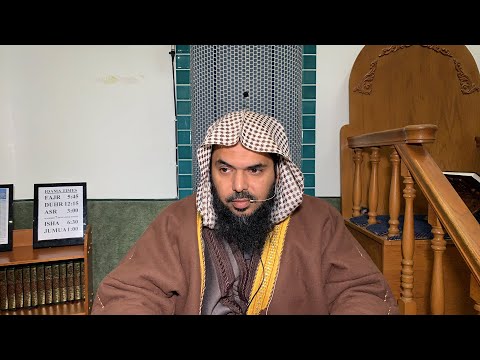


The Abbasids & the Golden Age
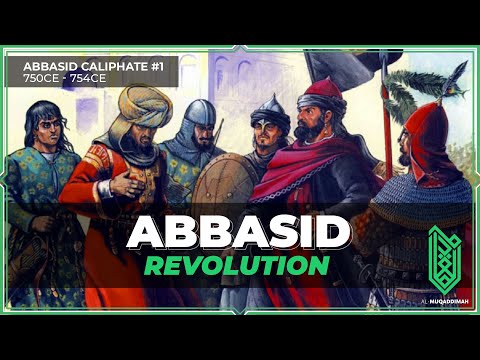
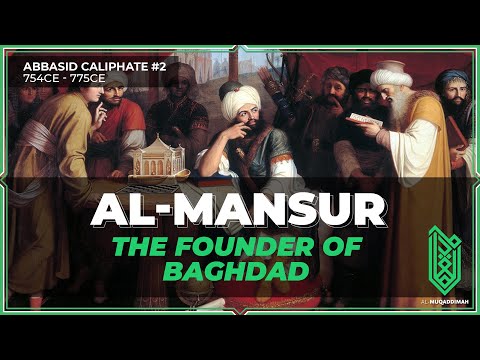
Baghdad and the House of Wisdom: the age of Imam Abu Hanifah to Imam Ahmad, of al-Khwarizmi and Ibn Sina — five centuries of scholarship ending with the Mongol sack of Baghdad in 1258.

Al-Andalus
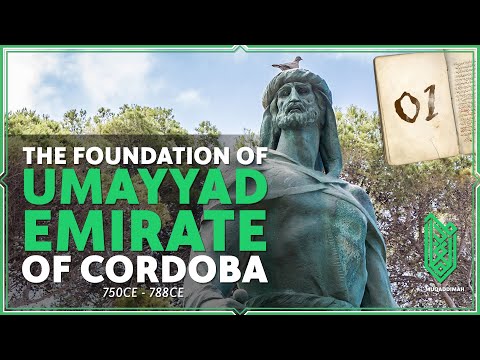
Muslim Spain: Cordoba's libraries and Alhambra's courtyards, eight centuries of knowledge and coexistence, and the slow fall to the Reconquista ending with Granada in 1492.
The Crusades & the Ayyubids
Jerusalem falls to the First Crusade — and a generation is raised to answer: Nur ad-Din, then Salahuddin al-Ayyubi and the liberation of al-Quds in 1187.


Ottomans, Mughals & the Spread of Islam
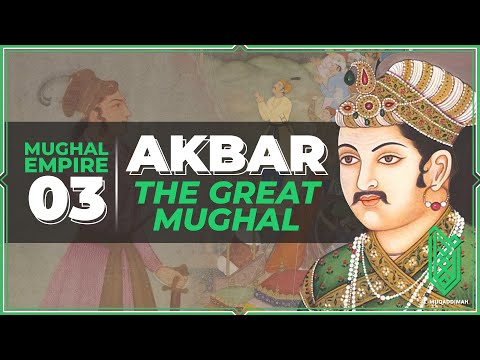
The gunpowder empires carry the banner: Constantinople opens in 1453, the Mughals build from Delhi to the Deccan, and Islam travels by trade to West Africa, the Swahili coast and the Malay world.

After the Caliphate — the Modern Ummah
The Ottoman caliphate is abolished in 1924. Colonisation, independence, and a global Ummah of nearly two billion finding its footing — with al-Aqsa at the centre of its story.

